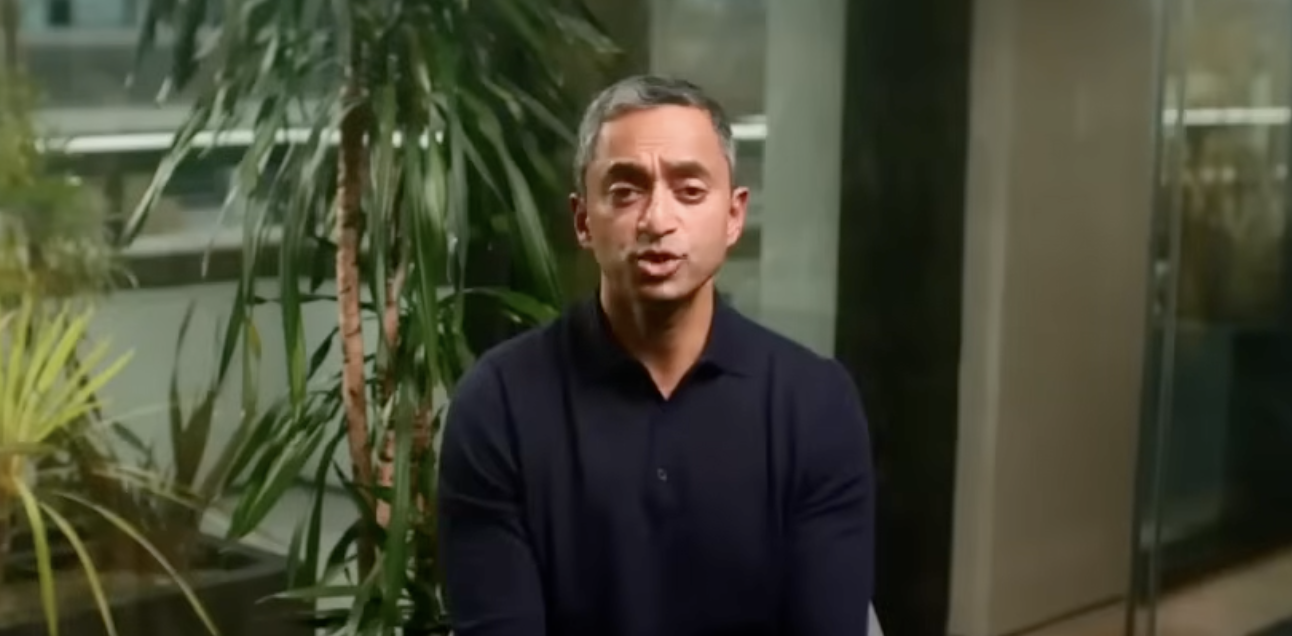
I came across an interview with Chamath Palihapitiya, who served as VP at Facebook. The insights I gained were striking enough that I wanted to organize and share them through this post.
The principles he laid out are as follows.
1. 스스로를 리스크 환경에 노출시키고, 끊임없이 배워라
2. 목표 중심이 아닌 과정 중심의 삶을 살아라
3. 빚이 없어야 한다
4. 겸손하게 살아야 한다 (극도로 솔직해져야 한다)
5. 자신보다 어린 사람과 어울려야 한다
6. 자신에게 선택지를 줘라 — 어떤 대가를 치르더라도 선택의 여지를 남겨둬라
7. 자신의 편이 100% 되어줄 배우자를 만나라
8. 젊고 야망이 있다면 세계의 중심으로 가라 (IT라면 실리콘밸리)
9. 보상에만 매몰되지 말아라 — 폭발적으로 성장할 수 있고, 자기보다 똑똑한 사람과 일할 수 있다면 올라타라
10. 사회적 지위는 아무것도 아니다
These ten principles overlap in meaning at certain points. Learn constantly, live a process-oriented life, stay out of debt — they all connect back to a single thread. Here I’d like to highlight and expand on a few that stood out to me most.
Throw Yourself into Risky Environments
No matter your age, you must always place yourself in environments where you are still learning. Warren Buffett retired at 95. If he hadn’t kept pushing himself, he probably would have retired in his 60s.
This connects to the principle of living a process-oriented rather than goal-oriented life. When you live around goals, many people reach their 60s, feel like they’ve accomplished most of what they set out to do, and choose retirement because there’s nothing left to achieve. That’s the narrow endpoint of a goal-driven life — and living that way can, at some point, become a life where you’ve simply given up on yourself.
Our lives don’t end when we hit a goal. Because life is continuous and ongoing, we need the attitude of keep pushing ourselves even after we’ve achieved what we set out to do.
Stay Out of Debt
This principle resonated deeply with me as well. The problem with debt being discussed here isn’t simply financial. Debt makes you incapable of taking on risk, blocks your growth, and turns you into someone chasing nothing but money.
Throwing yourself into new environments requires financial breathing room. When you’re in debt, an excuse is born — I can’t do anything else until this is paid off — and you may end up ignoring growth entirely, sleepwalking through a mediocre life. All without knowing whether you brought it on yourself or whether your circumstances did.
We’re smarter than we give ourselves credit for. And there are always people smarter than us. But the environments and factors that diminish our intelligence may have us living far more stupidly than we realize. What’s scarier is that a person who has grown dull often lacks the self-awareness to notice they’ve grown dull.
In this context, debt can be a useful lever — but if you can’t control it, it becomes a massive force that erodes your judgment. The effects come back as far greater risk 20 to 30 years down the line. Debt as leverage is a tool that demands serious, careful consideration. And once you take on debt, your entire life flips into a goal-driven existence.
Give Yourself Options
In every decision and judgment, you must always leave room for possibility. There are more opportunities in front of us than we realize, and we frequently walk right past them.
But this is easy to say and hard to do. Think about it: human cognitive capacity may feel limitless, but the amount we can deploy at once is fixed. Keeping possibilities open means giving yourself a chance at things that haven’t happened yet — and it also means you have to consider all of those possibilities. That consumes a lot of cognitive bandwidth.
When I explain this kind of cognitive load, I always use this analogy: if you open 100 or 200 tabs in Chrome, even simple tasks take forever, right? Human cognition works the same way. So this principle, too, is about building your own framework and managing it well.
Ride the Growth Rocket, Not the Paycheck
Finally, there’s the principle of not getting fixated on compensation — instead, get into an environment where you can grow explosively. If you can work alongside people smarter than you, in a setting that offers growth and deep engagement, you should absolutely get on that rocket. That’s what allows your life to move in a better direction.
Don’t let that kind of environment pass you by.
Closing Thoughts
If there’s one message running through all ten of Chamath’s principles, it’s this: don’t let go of the steering wheel of your own life. You can only challenge freely when you’re not shackled by debt. Life keeps moving forward only when you focus on the process rather than the destination. And you can only seize opportunity when you leave your options open.
Honestly, none of these ideas are new. They’re things most of us have heard at least once. But the weight of these principles comes from the fact that a billionaire only truly came to understand them in his 50s. Knowing something and internalizing it are two different things. Watching this interview made me reflect on the things I knew in my head but had failed to put into practice.
In the end, what matters isn’t nodding along as you read this — it’s whether you change even one small thing starting today.